

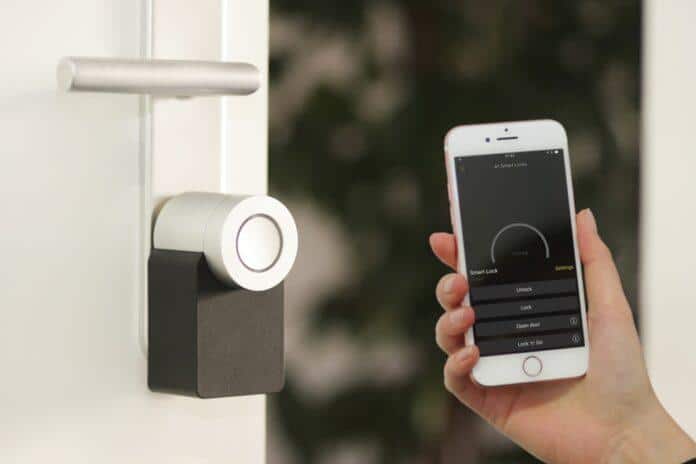

Let me tell you about Your Smart Home Is Watching and why it matters right now. I like my smart home. I do. Being able to check who’s at the door from my phone, adjust the thermostat without getting off the couch, and play music by asking the air – it’s genuinely convenient.
But let’s be honest about what we’ve traded for that convenience. Every one of those devices is watching, listening, and collecting data about how we live. However, most of it is going straight to the cloud.
What Your Smart Home Actually Knows
Let’s go through the usual suspects:
Smart speakers (Alexa, Google Home, Siri) – They’re listening for their wake word, but they’re also recording snippets of conversation. Amazon has admitted that human reviewers listen to some recordings. Google’s been caught storing location data even when you turn off location history.
Smart cameras and doorbells (Ring, Nest, Arlo) – They know when you come and go, who visits, when you’re home, when you’re not. Ring has partnerships with over 2,000 police departments in the US. Think about that.
Smart thermostats (Nest, Ecobee) – They know when you’re home, when you sleep, when you’re away. Combined with your schedule, that’s a pretty detailed picture of your daily life.
Smart TVs – They’re tracking what you watch, when you watch it, and how long you watch for. Some even listen to conversations in the room.
What You Can Actually Do
Start with what matters most. You don’t have to rip everything out. Focus on the devices that collect the most sensitive data – cameras, speakers, and anything with a microphone.
Check the privacy settings. Most smart devices have privacy settings buried in their apps. Disable voice recording storage where possible. Turn off “personalisation” features that require your data. Opt out of sharing with third parties.
Segment your network. Put smart devices on their own WiFi network, separate from your computers and phones. If one device gets compromised, the attacker can’t jump to your main devices.
Update everything. Outdated firmware is how most smart device attacks work. Enable automatic updates wherever possible.
Consider alternatives. For the truly paranoid (and I mean that as a compliment), open-source alternatives like Home Assistant let you control smart devices without sending data to the cloud. It takes more setup, but you keep your privacy.
The Uncomfortable Trade-Off
Here’s the honest truth: you can’t have 100% privacy and 100% convenience. Something has to give. The goal isn’t to eliminate all data collection – that’s impossible in a connected home. The goal is to make conscious choices about what you’re sharing and with whom.
Most people never check the privacy settings on their devices. That’s exactly what the manufacturers are counting on. Don’t be most people.
Convenience is great until you realise what it cost you. Check your settings today.
Related Reading
- Navigating Privacy in the Age of Smart Vehicles
- Apple’s Latest Security Feature Enhances Privacy
- Bunnings Privacy Breach: Lessons for Retailers
The views expressed on this site are my own and do not represent those of any current or former employer. Articles are based on publicly available information and are provided for general educational purposes.
